In an era where sustainability is no longer optional but essential, the choice of tableware has become a key battleground for environmental impact. As we move towards future, bagasse plates—made from sugarcane waste—emerge as a frontrunner in eco-friendly packaging solutions. Bagasse plates to traditional options like plastic, styrofoam, and paper plates, highlighting why switching to natural bagasse tableware could be your smartest move yet.
Performance, environmental benefits, market trends, and how these choices shape a greener future?
Bagasse plates are crafted from the fibrous residue left after extracting juice from sugarcane, transforming agricultural waste into durable, functional tableware. Unlike synthetic materials, they offer a natural, plant-based alternative that's both sturdy and versatile.
As a compostable bagasse packaging supplier, we lead the way in India, producing high-quality bagasse plate in India that's gaining traction globally.
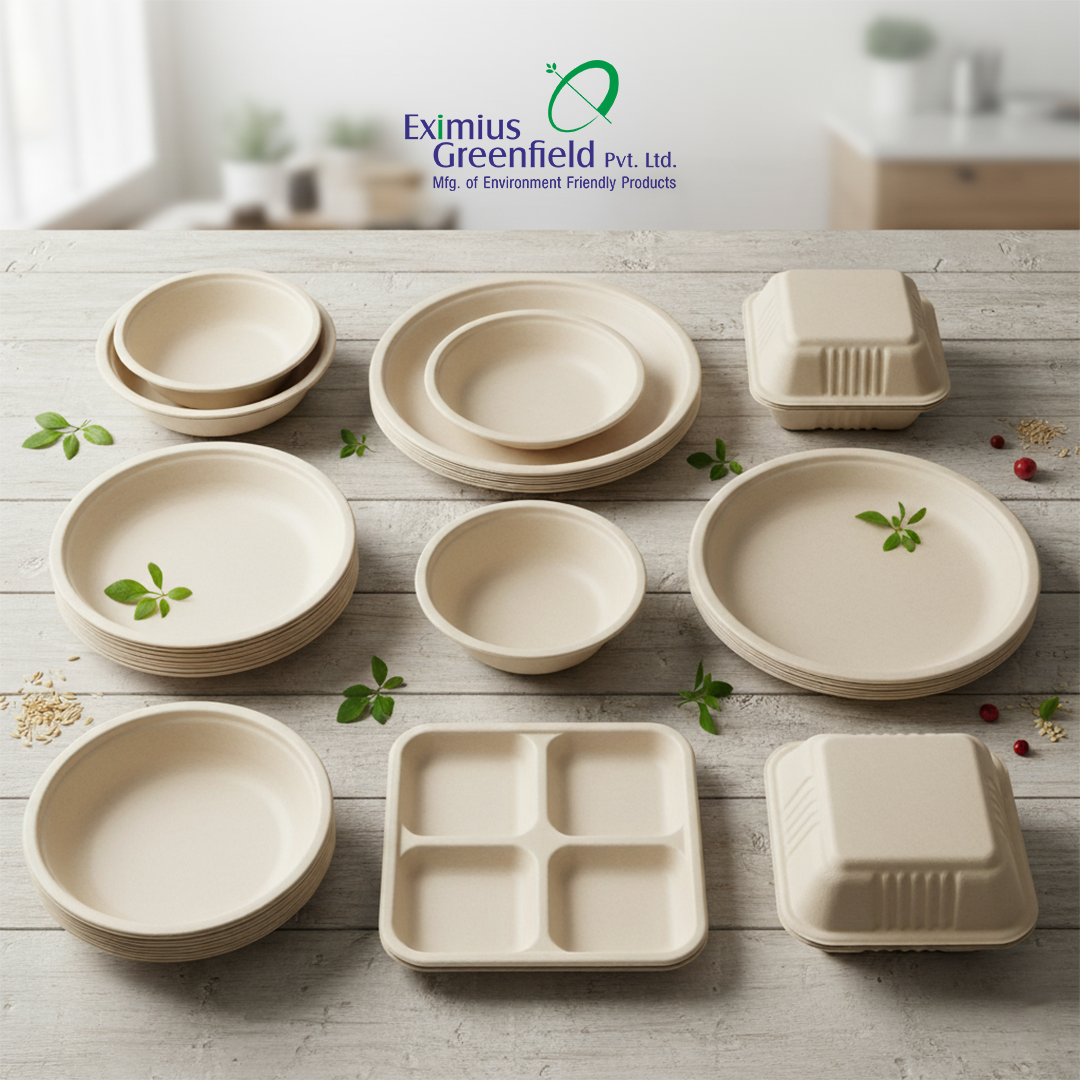
To better understand the differences, here's a detailed comparison of bagasse plates and traditional plates across key factors:
| FACTORS | BAGASSE PLATES | TRADITIONAL PLATES (PLASTIC/STYROFOAM/PAPER) |
| Material | Renewable sugarcane fiber (bagasse), upcycled from agricultural waste | Petroleum-based plastic, styrofoam, or paper with plastic coating |
| Environmental Impact | 100% compostable, decomposes in months, reduces carbon footprint | Non-biodegradable or partially recyclable, contributes to landfill |
| Durability | Sturdy, holds hot/oily foods without leaking, oil-proofed | Plastic/styrofoam durable; paper often soggy with wet foods |
| Safety | Food-contact safe, no chemical leaching | Potential chemical leaching (plastic/styrofoam) when heated |
| Usability | Microwave and freezer safe, suitable for catering and home use | Microwave-safe (some plastics), not always freezer-safe |
| Cost | Moderately higher initial cost, decreasing with scale | Generally cheaper, but long-term environmental costs are high |
| Aesthetic | Natural, earthy look, appealing to eco-conscious users | Functional but often less appealing, synthetic appearance |
| Disposal | Compostable in home or industrial systems, eco-friendly | Landfill-bound, recycling limited due to coatings or contamination |
The stark differences in environmental footprint make bagasse plates a clear winner for eco-conscious consumers and businesses.
In contrast, traditional plates exacerbate plastic waste, with billions ending up in oceans annually, harming wildlife and ecosystems.
Beyond eco-credentials, how do bagasse plates stack up in everyday use?
Traditional plates may edge out in ultra-low cost, but bagasse's robustness makes it ideal for sustainable catering supplies without compromising quality.
The bagasse plates market is booming in 2025, fueled by global sustainability mandates and consumer demand for green alternatives. Valued at approximately USD 3.12 billion globally for bagasse tableware products, the sector sees strong growth in India, where plastic ban and eco-awareness drive adoption.
In India, the biodegradable tableware market , led by bagasse, has expanded significantly from around USD 161 million in 2021 to projected higher figures amid government initiatives.
Overall, the market reflects a shift toward eco-friendly packaging solutions, with bagasse capturing share from traditional materials.
Looking ahead, the future of bagasse plates (hyperlink: ) is bright, with projections indicating a CAGR of 6.5% to 10.12% through 2034-2035, potentially reaching USD 5.87 billion to USD 14.96 billion globally. Innovations like enhanced oil-proofing and custom designs will expand applications.
This growth underscores bagasse's role in a plastic-free future.
Choosing bagasse over traditional plates isn't just a swap—it's a step toward planetary health. Each eco-friendly choice reduces carbon footprints by upcycling waste and minimizing pollution.
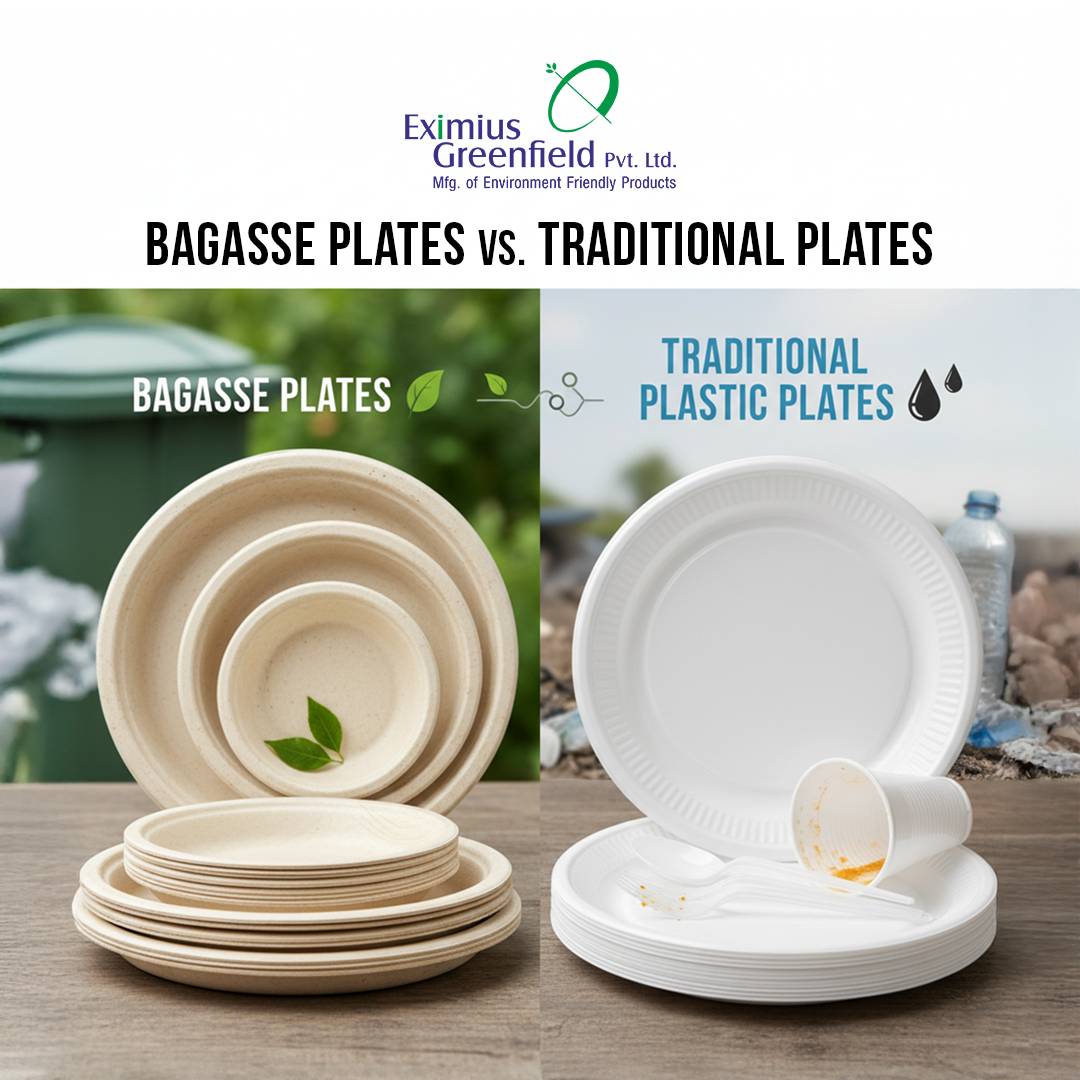
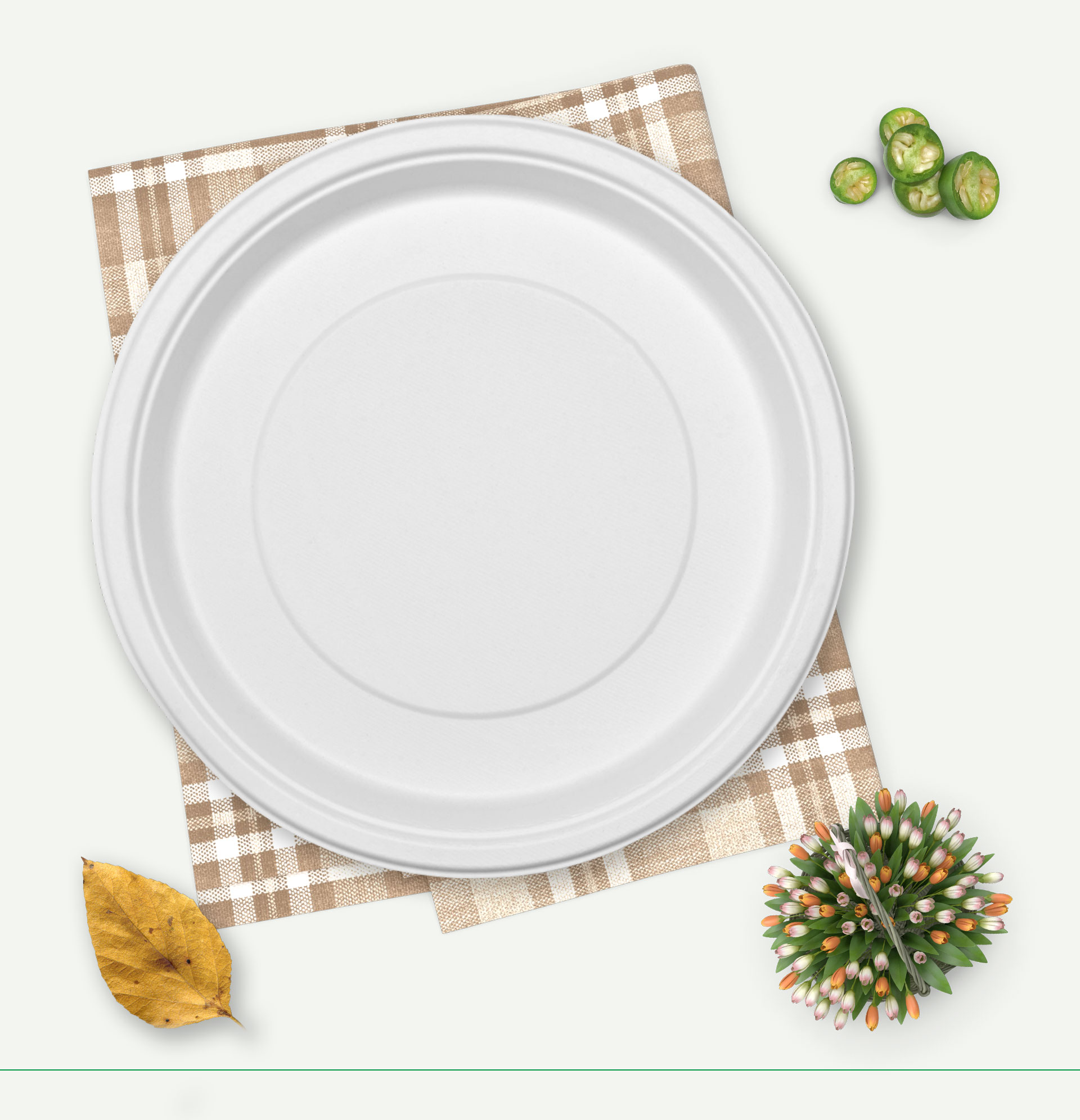
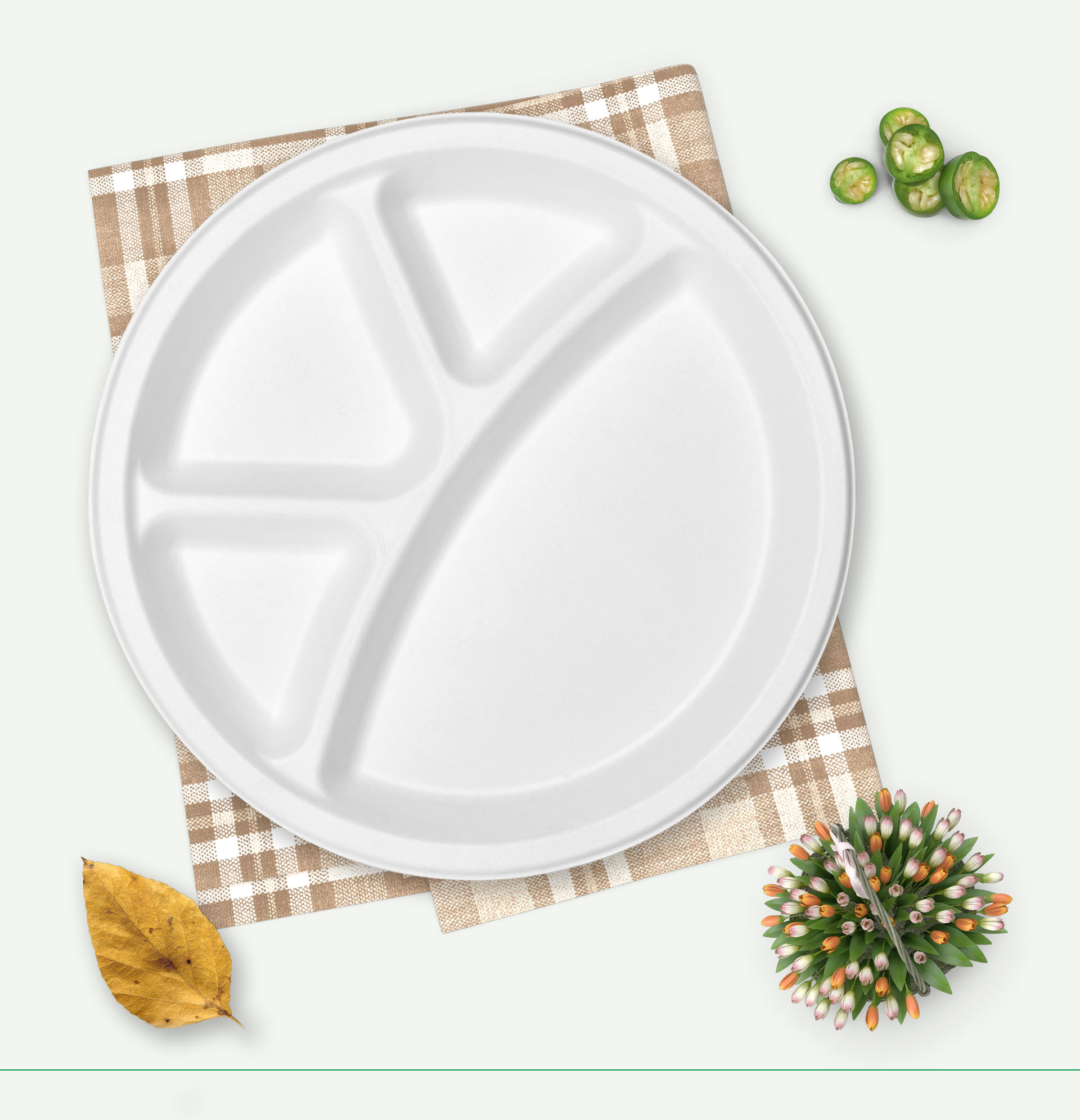
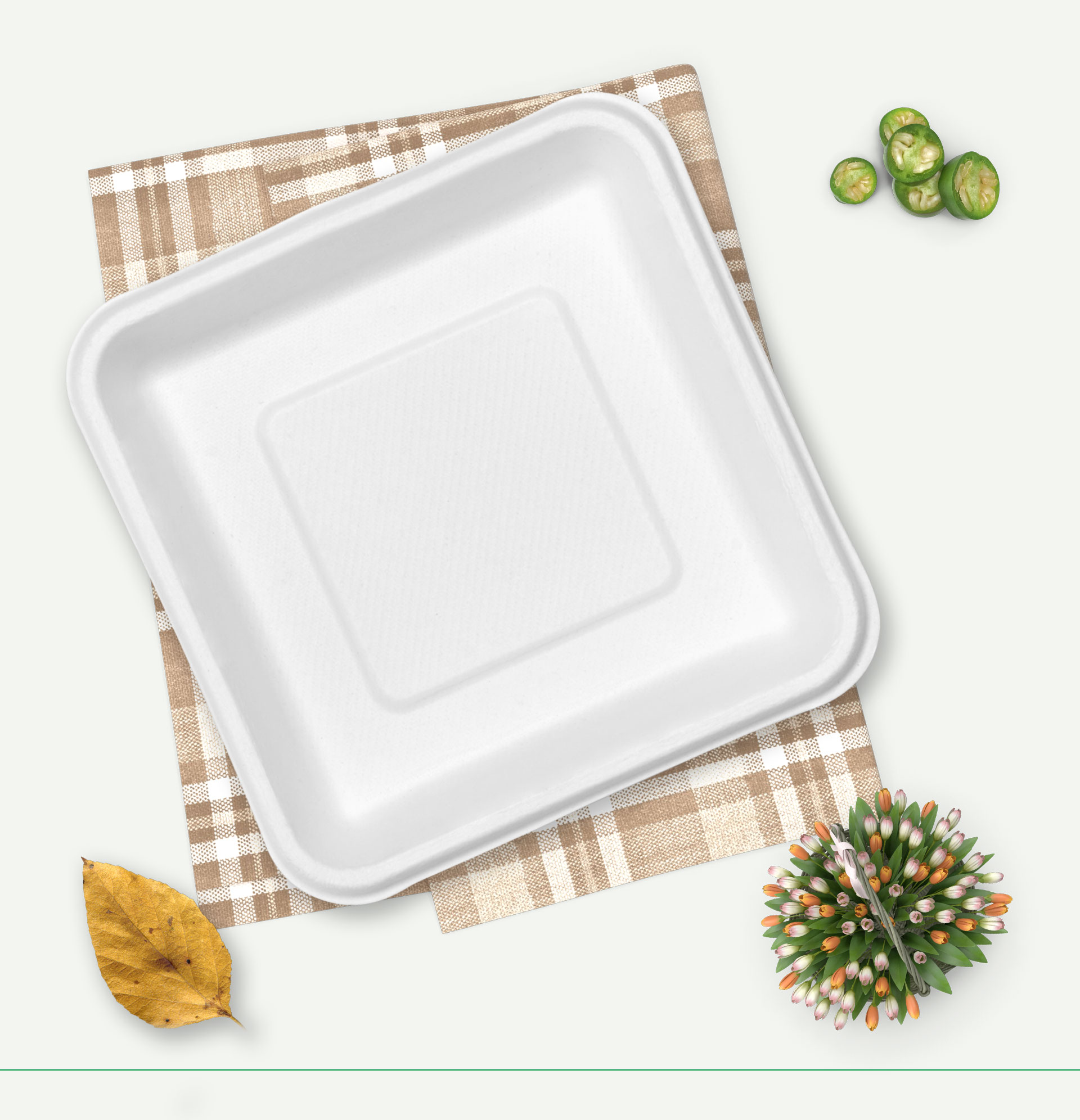
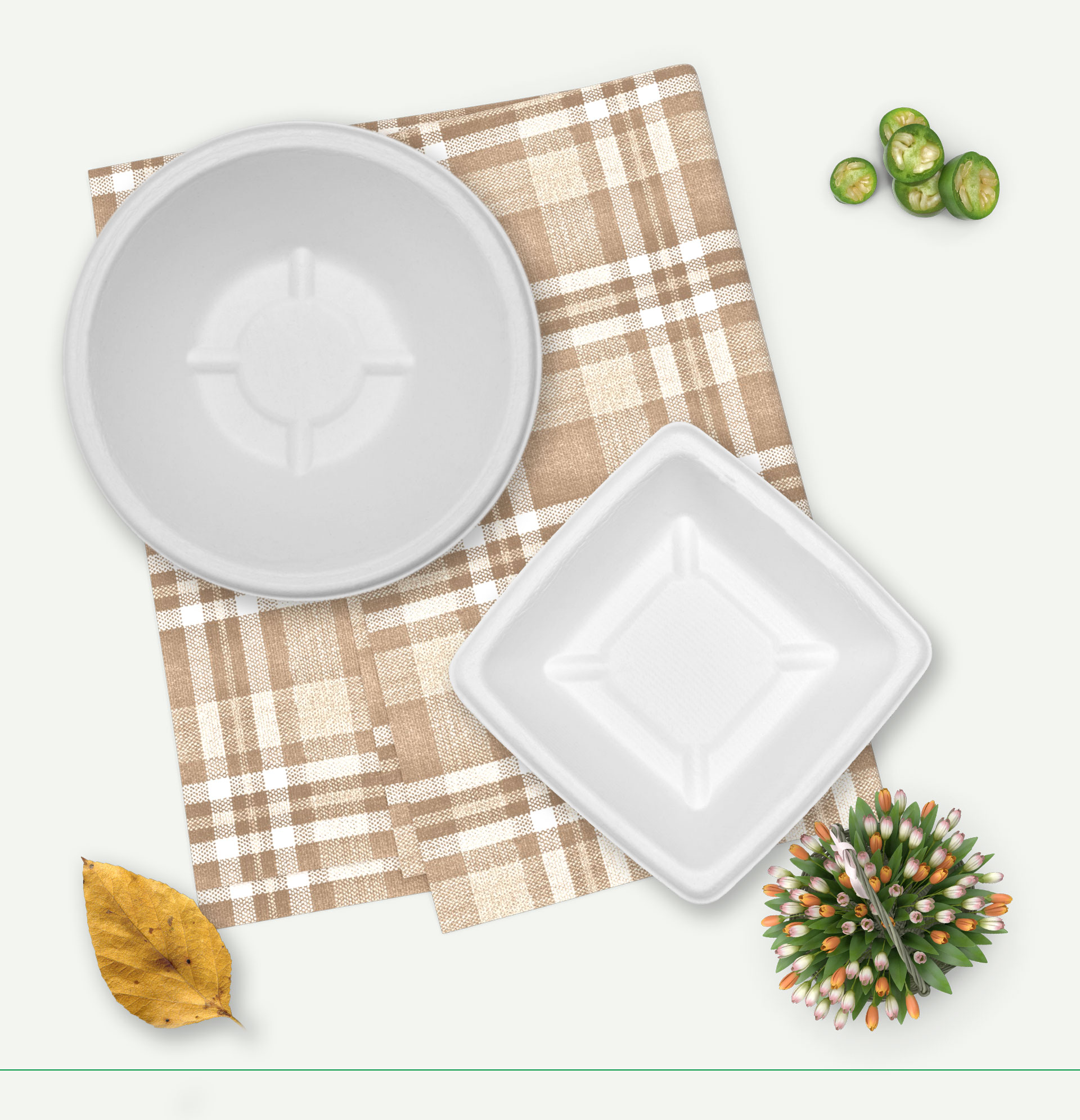
By supporting Bagasse tableware suppliers like Eximius Greenfield—a premier compostable bagasse packaging supplier in India—you contribute to a ripple effect of positive change. Their product range includes square plates, round plates, compartment plates, bowls, and clamshells, all designed for durability and eco-friendliness.
In 2025, the comparison between bagasse plates and traditional ones boils down to sustainability versus convenience. With superior environmental benefits, comparable performance, and a thriving market, bagasse plates represent the future of tableware. Make the switch to natural bagasse tableware today—your planet will thank you.